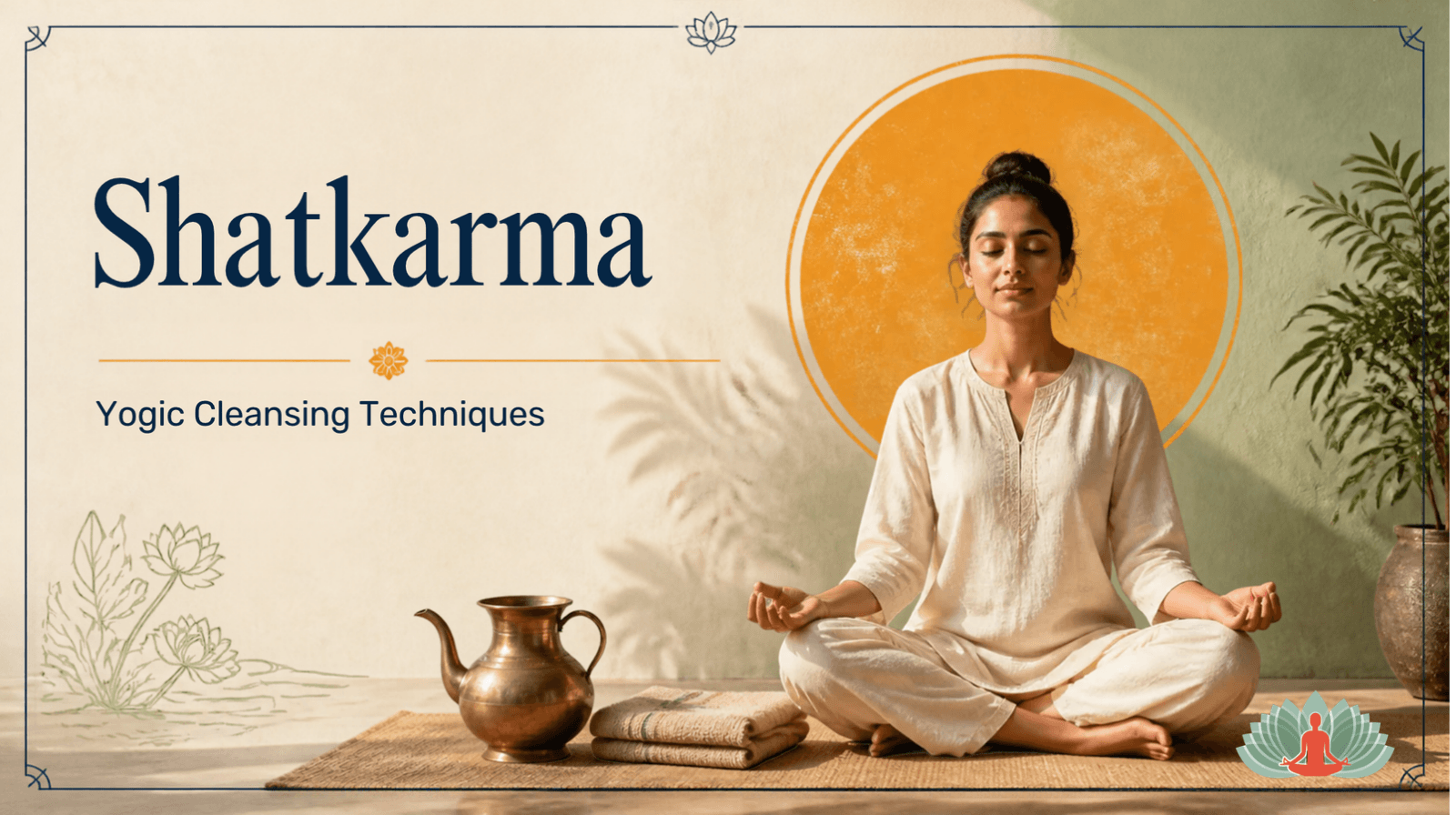
In classical Haṭha Yoga, bodily purification is not treated as a mystical ritual or a vague spiritual exercise. It is an empirical hygiene system designed to maintain internal balance, remove systemic blockages, and optimize autonomic nervous system function.
Known collectively as the Ṣaṭkarmas (the “Six Actions”), these practices systematically target distinct anatomical regions from the nasal passages down to the lower gastrointestinal tract. By understanding where and how each practice operates inside the physical body, we strip away dogma and reveal the functional physiological mechanics behind traditional yogic cleansing.
The Anatomical Mapping of the Ṣaṭkarmas
The Ṣaṭkarmas map out six cleansing processes to their corresponding physiological targets:
1. Neti (Nasal Passages & Upper Respiratory Tract)
- Target Area: The nasal cavity, sinus passages, and upper pharynx.
- Mechanism: Performed using warm saline water (Jala Neti) or a soft thread/catheter (Sūtra Neti), Neti flushes out excess mucus, pollutants, and allergens from the nasal mucosa.
- Physiological Impact: Stimulates the olfactory nerve endings and trigeminal nerve pathways, clearing the air passages for optimal diaphragmatic breathing and enhanced sensory clarity.
2. Dhauti (Upper Gastrointestinal Tract)
- Target Area: The mouth, esophagus, and stomach.
- Mechanism: Involves techniques ranging from swallowing a long strip of moist cotton cloth (Vastra Dhauti) to drinking warm saline water and voluntarily regurgitating it (Kunjal Kriya or Vamana Dhauti).
- Physiological Impact: Cleanses the gastric mucosa, removes excess bile and mucus buildup, tones the cardiac sphincter, and stimulates the vagus nerve to balance parasympathetic tone.
3. Nauli (Abdominal Viscera & Core Organs)
- Target Area: The digestive organs, stomach, intestines, liver, and spleen.
- Mechanism: A dynamic practice executed by fully exhaling (creating abdominal vacuum or Uḍḍīyāna Bandha) and isolated contraction/rotation of the rectus abdominis muscles.
- Physiological Impact: Acts as an internal mechanical massage for the abdominal viscera. It enhances peristalsis, increases localized blood circulation to digestive glands, and relieves chronic constipation and sluggish digestion.
4. Basti (Lower Gastrointestinal Tract & Colon)
- Target Area: The rectum, sigmoid colon, and lower intestine.
- Mechanism: Traditionally performed by drawing water into the rectum through an abdominal vacuum while seated in a body of water (Jala Basti), modern variations utilize mild enemas.
- Physiological Impact: Cleanses the large intestine of accumulated fecal matter and toxins. It balances the gut microbiome, cools excess internal heat, and reduces systemic toxicity.
5. Trāṭaka (Eyes & Ocular Musculature)
- Target Area: The eyes, optic pathways, and lacrimal glands.
- Mechanism: Continuous, steady gazing at a single focal point (such as a candle flame or small object) without blinking until the eyes water, followed by relaxed internal visualization.
- Physiological Impact: Strengthens the extraocular muscles, cleanses the lacrimal ducts through tearing, relieves optic strain, and acts as a bridge to single-pointed mental concentration (dhāraṇā).
6. Kapālabhāti (Lower Respiratory Tract & Frontal Brain Region)
- Target Area: The trachea, bronchi, lungs, and lower respiratory airways.
- Mechanism: Rapid, forceful expirations driven by abdominal contractions, followed by passive, effortless inspirations.
- Physiological Impact: Clears stagnation and carbon dioxide from the lower lobes of the lungs, increases oxygen exchange efficiency, tones the diaphragm, and invigorates the frontal cortex (kapāla = cranium, bhāti = shine/illumination).
The Functional Purpose: Preparation for PrāṇāyāmaIn classical texts like the Haṭhapradīpikā, the Ṣaṭkarmas are prescribed prior to deep breath manipulation (prāṇāyāma) and posture work (āsana). When the respiratory channels are clear of obstruction, the digestive fire (jaṭharāgni) is balanced, and the autonomic nervous system is calm, the practitioner can explore internal awareness without physiological distress.
Rather than viewing these practices as esoteric secrets, modern practitioners can approach the Ṣaṭkarmas as precise, physiological toolkits for self-regulation and internal hygiene.